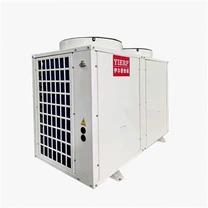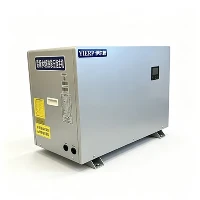



The characteristics of ground source heat pumps are high capital cost and low operating cost, compared to other HVAC systems. Their overall economic benefits mainly depend on the relative costs of electricity and fuel, which vary greatly over time and globally. According to the latest prices, the current operating costs of ground source heat pumps are almost lower than those of any other traditional heating sources worldwide. Natural gas is the only fuel with competitive operating costs, and it is only in very few countries where natural gas is extremely cheap or electricity is extremely expensive. Generally speaking, homeowners can save 20% to 60% of their water and electricity bills each year by switching from conventional systems to ground source systems.
Research on capital cost and system lifespan has only recently gained widespread attention, and the return on investment fluctuates greatly. The rapid increase in system prices is accompanied by rapid improvements in efficiency and reliability. Capital cost usually benefits from economies of scale, especially in open-loop systems, and is therefore more cost-effective for large commercial buildings and harsh climates. In most residential applications, the initial cost of the system is two to five times that of traditional heating systems, whether new or existing. During renovations, installation costs are affected by the size of the residential area, the age of the house, insulation characteristics, geological conditions, and the location of the property. The design of the piping system and mechanical air exchange should be included in the initial system cost.