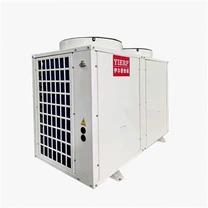
A heat pump is not a traditional heating device, but a professional heat energy transport system. It breaks away from the traditional heating method's logic of "consuming energy to directly generate heat." It only requires a small amount of electricity to drive core components such as compressors and fans to collect low-grade heat energy from the natural environment, including air, water, and soil. This heat energy is then upgraded and converted into directly usable high-grade heat energy, which is then precisely delivered to the scene requiring heating to achieve heating and temperature control. The role of this electricity is not to generate heat, but rather to serve as "transportation power," achieving a "small amount for many" effect-one unit of electricity leveraging three to five or even more units of free environmental heat energy.
This heat transfer mode is the fundamental difference between heat pumps and traditional heating equipment such as electric heating, gas heating, and oil heating, and it is also the key to its core advantages of energy saving, high efficiency, and low carbon emissions. Furthermore, its core positioning of "not generating new heat, but only collecting, upgrading, and transferring heat energy" allows heat pumps to perfectly align with the thermodynamic law of conservation of energy, achieving a breakthrough in energy utilization efficiency.
Commercial swimming pools have extremely high requirements for water temperature stability. Professional competition pools need to be controlled within ±0.5℃, and recreational pools need to be controlled within ±1℃. High-end models use DC inverter compressors and PID intelligent temperature control algorithms to precisely adjust heating power and avoid water temperature fluctuations.
By incorporating a large-capacity buffer tank or integrating with the pool's circulation system, the inertia of the circulating water buffers temperature fluctuations caused by changes in heating power, ensuring a consistent user experience.
Commercial pool heat pumps are not only heating devices suitable for commercial pools, but also core solutions for achieving refined operation, cost reduction, efficiency improvement, and sustainable profitability.
With four exclusive advantages that align with the operational logic of commercial swimming pools, it precisely addresses industry pain points. Furthermore, with four core values covering cost, revenue, brand, and compliance, it empowers the entire lifecycle operation of commercial swimming pools, transforming them from a "high-cost, low-profit, weather-dependent" model to a "low-cost, high-profit, year-round profitable" model. This makes it the optimal solution for commercial swimming pools to gain a foothold in market competition and continuously improve their profitability.
A centralized control system manages all pool heat pumps, enabling remote monitoring and intelligent adjustment. Combined with a solar energy system, it forms a multi-energy complementary system, further reducing operating costs.
Previously, pools were either too hot in summer and too cold in winter, or experienced fluctuating water temperatures, resulting in a poor swimming experience. Commercial heat pumps can stabilize the water temperature within a comfortable range of 26-28℃, providing an optimal experience for both professional training and recreational swimming. Simultaneously, the integrated heat pump system solves the problem of dampness in indoor pools, preventing mold growth on walls and stuffy air, creating a healthier and more comfortable swimming environment.
Commercial swimming pools lose a large amount of water every day due to filtration backwashing and water carried out by visitors, and must be continuously replenished with low-temperature tap water (such as 10°C). Instantly heating a huge amount of cold water to 28°C is like periodically throwing "thermal ice blocks" into the pool, creating intermittent, high-intensity "thermal shock loads".
Commercial heat pump systems, with their powerful heating capacity and intelligent control system, can smoothly absorb such shocks. Multiple units operating in parallel can start up quickly, rapidly raising the water temperature and preventing a sudden drop in temperature due to a large volume of water replenishment, thus avoiding disruption to business operations. Their enormous heat output capacity is specifically designed to handle such unexpected situations in commercial operations.